Start Suboxone Treatment Now
Important notice: This clinical guide is an educational resource originally developed as a reference for our patients. It does not replace professional medical advice, diagnosis, or treatment. You must strictly adhere to the treatment plans and instructions provided by your own healthcare provider. Please consult your personal clinical team for any individual treatment decisions or guidance.
How to Start Suboxone Without Precipitated Withdrawal: A Clinical Guide
Medically Reviewed by: Dr. Olusola Olowe, MD, Board-Certified - Addiction Medicine
Last Updated: March 3, 2026
Starting Buprenorphine-Naloxone (commonly known by the brand names Suboxone® or Zubsolv®) is a transformative step in recovery. When done correctly, the "induction" process is straightforward and highly effective. However, for many patients, the fear of precipitated withdrawal—getting violently sicker by taking the medication too soon—is a significant barrier to getting help.
This guide will walk you through exactly how induction works, how to properly time your first dose, and how to protect your dental health during treatment.
What is Suboxone Induction?
Induction is the medical process of transitioning your brain's opioid receptors from a "full-agonist" opioid (like heroin, oxycodone, or fentanyl) to a "partial-agonist" (buprenorphine).
Because buprenorphine binds so strongly to your brain's receptors, it will aggressively "knock off" any existing opioids. If those receptors are still occupied by other drugs when you take Suboxone, your brain goes from "high" to "zero" in minutes. This causes a sudden, intense onset of severe withdrawal symptoms known as precipitated withdrawal [1, 2, 4].
Step 1: The Waiting Period
To start safely, you must allow your body to enter a state of moderate-to-severe opioid withdrawal. This ensures your receptors are "empty" and ready for the buprenorphine to provide relief instead of shock.
Short-acting opioids (Heroin, Pain Pills): Typically requires a 12 to 36-hour wait.
Long-acting opioids (Methadone): May require 72 hours or more.
Fentanyl: Due to its lipophilic nature (it stores in your fat cells), fentanyl often requires a specialized "micro-dosing" approach (the Bernese Method) rather than a standard waiting period [4, 5].
How do you know you are ready? You should be experiencing at least three to five of the following physical symptoms before taking your first dose:
Physical: Chills, goosebumps, sweating, muscle/joint aches, nausea, or stomach cramps.
Neurological: Restlessness, shaking, yawning, dilated pupils, or watery eyes.
Emotional: Intense anxiety or irritability [1].
Step 2: The First Dose (The "Micro-Start")
Once you are in significant withdrawal, do not take a full dose immediately. * Start Small: Begin with just 2mg of Buprenorphine. (This is equal to one-quarter of an 8/2mg film/tablet or one full 2/0.5mg film/tablet).
Administration: Place the medication strictly under your tongue. Do not swallow, chew, or talk for 15–20 minutes. The medication must absorb directly through the blood vessels in the lining of your mouth. If you swallow it, it will not work [2].
The Hour Rule: Wait 60 minutes.
If you feel the same or slightly better: Take another 2mg to 4mg.
If you feel significantly worse (a sudden crash, severe nausea, extreme chills): You may be experiencing precipitated withdrawal. Stop taking the medication and contact your provider.
Step 3: Finding Your Stable Dose & Essential Dental Care Protocol
Repeat the process of waiting one hour between doses until your withdrawal symptoms subside. Most patients find relief at 8mg to 16mg total on the first day. Do not exceed the daily limit set by your provider. On Days 2 and 3, you will likely take the total amount you needed on Day 1 as a single morning dose.
Crucial Step: The Suboxone Dental Care Protocol
The FDA has issued warnings that buprenorphine medicines dissolved in the mouth can lead to dental decay, cavities, and tooth loss. Furthermore, chronic use of all opioids (including buprenorphine) causes "dry mouth," which limits the saliva needed to naturally clean your teeth. You must take the following steps every time you dose to protect your enamel [3]:
Let it dissolve completely: Wait 5-15 minutes for the medication to completely dissolve under your tongue.
Rinse and Swish: After the medication is fully dissolved, take a large sip of water, gently swish it around your teeth and gums, and swallow. This washes the acidic medication off your teeth.
Wait to Brush: Do NOT brush your teeth for at least 1 hour after taking Suboxone. The acidity of the medication temporarily softens your tooth enamel; brushing immediately can scrub the enamel away. Wait one hour for your enamel to harden, then brush normally [3].
Managing Precipitated Withdrawal
If you take Suboxone too early and feel a sudden "crash" of sickness, do not panic. While it is incredibly uncomfortable, it is not life-threatening and is medically manageable.
Contact your provider immediately or follow the emergency instructions they provided.
Comfort Medications: At Better Life MD, we often prescribe "Comfort Kits" containing non-opioid medications to bridge this gap.
The "Wait and See" vs. "Power Through": Depending on your specific drug history, your provider may advise you to wait longer, or they may instruct you to continue taking small doses every hour until the buprenorphine eventually overtakes the receptors and stabilizes you [6].
Frequently Asked Questions
Q: Why does Suboxone make some people sicker? This is almost always due to timing. If there are still "full" opioids on your brain's receptors, the buprenorphine rips them off instantly. This causes your brain to go from "high" to "zero" in minutes, resulting in precipitated withdrawal [1, 4].
Q: Will Suboxone ruin my teeth? Suboxone is acidic, and chronic use of any opioid causes dry mouth, both of which can contribute to cavities and tooth decay. However, you can prevent this by following the strict FDA dental protocol: After the film dissolves, swish water around your mouth and swallow. Wait at least one hour before brushing your teeth, and maintain regular dental check-ups [3].
Q: What happens if I accidentally swallow the Suboxone film instead of letting it dissolve? Suboxone has very poor "oral bioavailability," meaning if it goes into your stomach, your liver and stomach acids will break it down before it ever reaches your brain. You will likely get little to no relief from your withdrawal symptoms. It must be absorbed under the tongue (sublingual).
Q: Can I eat, drink, or vape while taking my dose? No. For the best absorption, do not eat, drink, smoke, or vape for at least 15 minutes before taking the medication, and wait until it is completely dissolved before consuming anything. Afterward, immediately rinse your mouth with water.
Q: Is Suboxone just a "crutch" or trading one addiction for another? No. Addiction is a chronic, structural brain disease. Buprenorphine is an evidence-based medical tool that corrects the chemical imbalance in your brain. It does not get you "high"; it simply allows you to function normally, hold a job, and rebuild your life without the constant cycle of "chasing" and withdrawal [1, 2].
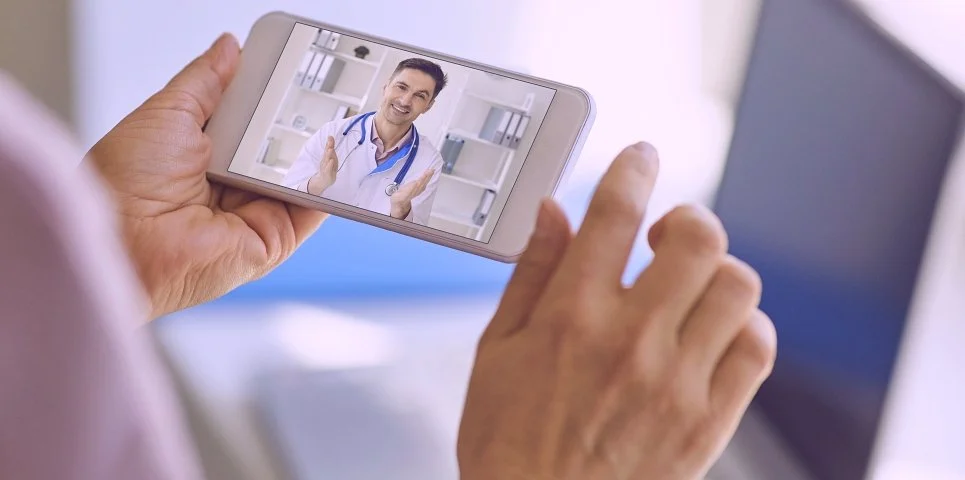
Q: Do I need to go to a clinic or rehab facility to do this? No. Most inductions are safely and successfully completed at home. Our telehealth platform provides the same level of medical oversight as an in-person clinic, but with the privacy and comfort of your own environment.
Q: How can I get more information about Suboxone? We recommend that you ask your provider any and all questions that you may have. You can also take a look a the Suboxone Medication Guide.
Medical References & Citations
SAMHSA.Clinical Guidelines for the Use of Buprenorphine in the Treatment of Opioid Addiction. Substance Abuse and Mental Health Services Administration. Link
ASAM (2020 Focused Update).National Practice Guideline for the Treatment of Opioid Use Disorder. American Society of Addiction Medicine. Link
FDA (2022).Drug Safety Communication: FDA warns about dental problems with buprenorphine medicines dissolved in the mouth to treat opioid use disorder and pain. U.S. Food and Drug Administration. Link
Varshneya et al. (2022).Evidence of Buprenorphine-precipitated Withdrawal in Persons Who Use Fentanyl. Journal of Addiction Medicine. (PubMed Central ID: PMC9124721). Link
Rozylo et al. (2025).Outpatient Low-Dose Initiation of Buprenorphine for People Using Fentanyl. JAMA Network Open. (PubMed Central ID: PMC11762237). Link
Buresh et al. (2023).Case Report: Buprenorphine-precipitated fentanyl withdrawal treated with high-dose buprenorphine. (PubMed Central ID: PMC10521070). Link